Selecting the right internet service provider (ISP) is crucial for ensuring a reliable and fast connection tailored to your specific needs. With numerous options available, it’s essential to consider factors such as location, budget, speed requirements, and service quality. This guide offers a step-by-step approach to help you navigate the process of finding the best ISP for your circumstances. Here’s a step-by-step guide to help you find the best internet provider:
- Check Availability: Determine which internet service providers (ISPs) are available in your area. Some areas may have limited options based on infrastructure.
- Research ISPs: Look up the ISPs available in your area and gather information about their plans, prices, and customer reviews. Websites like BroadbandNow or HighSpeedInternet.com can help you compare ISPs.
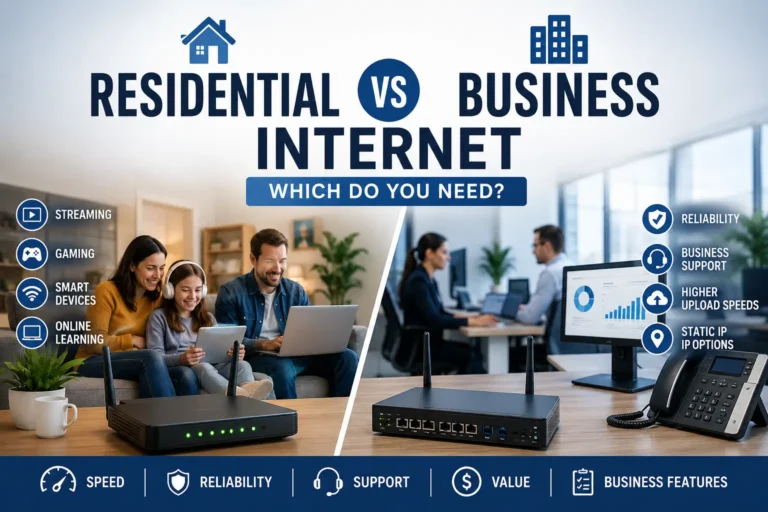
- Identify Your Needs: Consider your internet usage habits. Do you need high-speed internet for gaming, streaming, or remote work? Or are you looking for a basic plan for casual browsing and emails?
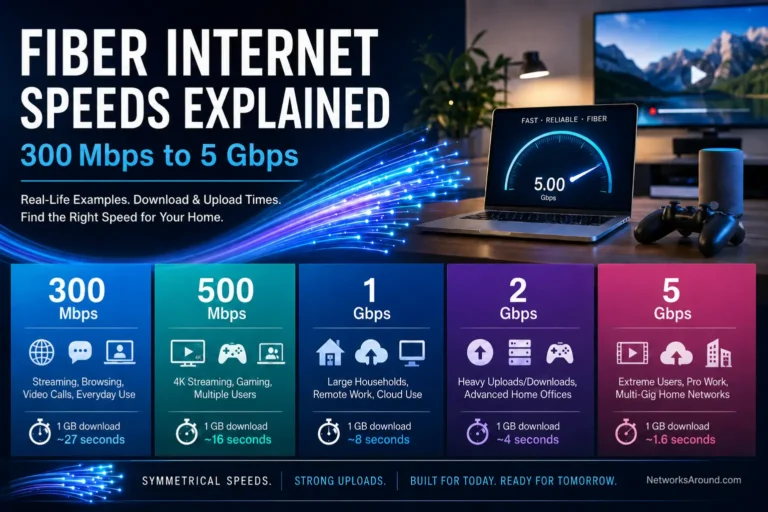
- Compare Plans: Compare the plans offered by different ISPs based on your requirements. Look at factors like download/upload speeds, data caps, contract terms, and additional fees.
- Check Customer Reviews: Read reviews and ratings from current customers to get an idea of the quality of service and customer support provided by each ISP.
- Consider Bundle Deals: Some ISPs offer bundle deals that include internet, TV, and phone services. Assess whether these bundles provide value for your needs.
- Look for Promotions and Discounts: Keep an eye out for any promotions, discounts, or introductory offers provided by ISPs. These can help you save money in the short term.
- Check for Hidden Costs: Be wary of hidden fees such as installation charges, equipment rental fees, and early termination fees. Make sure you understand the total cost of the service.
- Contact ISPs Directly: If you have specific questions or concerns, reach out to the ISPs directly to clarify any doubts before making a decision.
- Consider Customer Service: Good customer service is essential, especially if you encounter technical issues or need assistance with your internet service. Research the reputation of each ISP’s customer support.
- Ask for Recommendations: Seek recommendations from friends, family, or neighbors who live in your area and may have experience with local ISPs.
- Read the Fine Print: Before signing up for any service, carefully read the terms and conditions of the contract to avoid any surprises later on.
By following these steps, you can make an informed decision and choose the best internet provider that meets your needs and preferences.
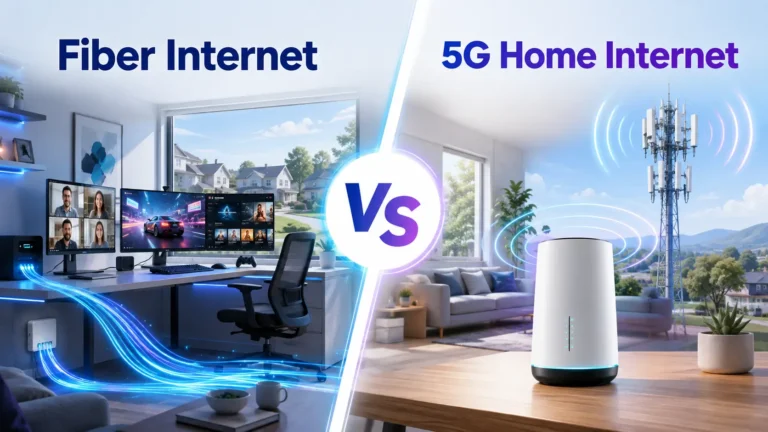
Now, looking into specific internet providers, and assuming that most people today look for fiber based internet, here are some of the major providers in the United States:
- Verizon Fios: Verizon offers fiber optic internet service in select areas on the East Coast, West Coast, and some parts of the Midwest. Learn more about Verizon Fios.
- AT&T Fiber: AT&T provides fiber optic internet service in numerous states across the country, including major cities like Los Angeles, Dallas, Chicago, and Atlanta. Learn more about AT&T Fiber.
- Google Fiber: Google Fiber offers high-speed fiber internet in select cities, primarily in the Midwest and Southeast regions, such as Kansas City, Austin, and Nashville.
- CenturyLink: CenturyLink offers fiber internet service in various states, focusing primarily on the western and central regions of the United States.
- Frontier Fios: Frontier Communications offers fiber optic internet service in select areas on the West Coast and in some parts of the Midwest and Northeast. Learn more about Frontier Fios.
- Optimum: Optimum, a division of Altice USA, offers fiber optic internet service primarily in the New York metropolitan area and surrounding regions.
- Windstream: Windstream provides fiber internet service in certain parts of the country, particularly in rural areas and smaller towns.
- Xfinity: Xfinity by Comcast offers high-speed cable internet with widespread availability, speeds up to 1 Gbps, and affordable bundles for TV and phone services, making it ideal for households with diverse needs. Learn more about Xfinity Internet.
Fiber internet availability in the United States varies greatly depending on location. Generally, fiber optic internet is more commonly available in urban and suburban areas compared to rural areas.
Finding the best internet provider depends on various factors like your location, budget, speed requirements, and the quality of service you expect. Availability can change over time as providers expand their networks, so it’s essential to check with specific providers or use online tools to determine if fiber internet is available in your area. Additionally, new providers may enter the market or existing providers may expand their coverage, so it’s worth keeping an eye on updates regarding fiber optic availability in the United States.